


How to Develop an Effective Personal Budget
Developing a personal budget is one of the most efficient ways to take charge of your finances. When a person has a solid budget in place, they can monitor income, pay expenses, save for goals, and stay out of or reduce debt. The following is a guide to developing a personal budget that meets your needs.
1.Assess Your Income
Begin by determining your total monthly income. Income can include wages from your job, money earned from freelance work, returns on investments, or side income. By identifying what you are bringing in, you have the first step in establishing a personal budget
2.Determine Your Expenses
Next, list out your monthly expenses. You can categorize expenses into 2 categories, fixed: rent, loan payments, and insurance, and variable: groceries, going out to eat, entertainment etc. Keeping track of every expense allows for visibility into where your money is actually going.
3.Establish Financial Goals
Think about what you want your personal budget to help you achieve. Your goals could be anything from paying off your debts, establishing an emergency fund, or saving for a vacation. Goals help give budgeting meaning and even can be a motivator.
4.Create a Practical Spending Plan
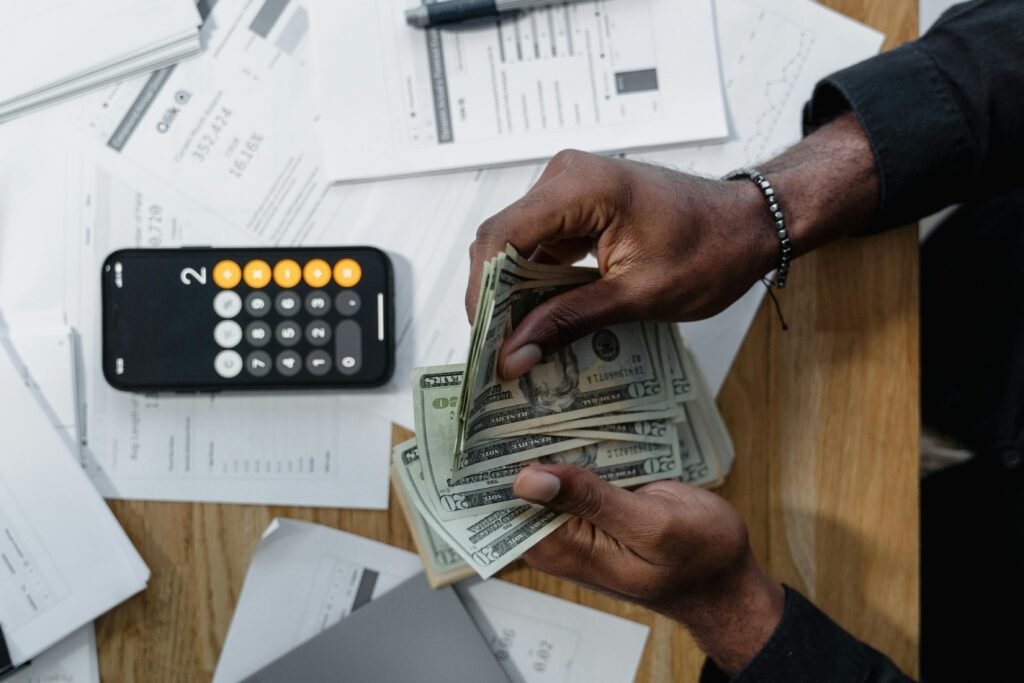
At this point, allocate a portion of the income you are expecting for each category. One suggestion would be to use the 50/30/20 rule:
50% for needs
30% for wants
20% for savings and debt repayment
Decide what percentages work best for you. The point is to make your personal budget practical and achievable.
5.Review and Adjust Regularly
A personal budget is not something that is stagnant. After developing your personal budget, review it on a monthly basis to determine if you are making progress. If there are changes in your income or priorities, consider adjusting your spending or savings. Reviewing your budget regularly will keep its effectiveness over time.
6.Utilize Budgeting Tools
Budgeting has never been easier with all of the available apps and templates out there. Budgeting tools such as Mint or YNAB (You Need A Budget) and even a spreadsheet can help you manage your personal budget more easily.
An effective personal budget is a personal budget that is easy to follow. Be true to yourself and stay true to your budget, and remember you always have the ability to change if things in life change. Eventually, your budget will turn into a valuable resource for long term financial stability and peace of mind.
Building an Emergency Fund
An emergency fund is a financial cushion. It protects you from unanticipated expenses due to unexpected events (e.g., bills, car repairs, loss of job) without using credit cards or loans. Saving for an emergency fund can seem daunting, but it is doable with the right plan.
- Know Why You Need an Emergency Fund
An emergency fund provides relief from stress thinking about what you would do with an unanticipated cost. You can rest knowing that if life surprises you with a bill or expense (such as medical bills, car repairs, loss of a job, unexpected trip), you have the money to deal with it. Without an emergency fund, all it takes is one little bump in the road, and you will be stressed about how you are going to pay for it and the potential of having to go into debt.
- Create a Realistic Savings Coach
Experts generally recommend saving three to six months of living expenses. If this number feels unattainable, first create a goal that seems more manageable. Consider saving $500 or $1,000 first. This will be enough to cover smaller emergencies. Then slowly work your way up as you (and your finances) can improve
- Determine the Amount You Will Need
To determine how much you will need, create a list of your necessary monthly expenses, including rent, utilities, food, transportation, and insurance. Add those expenses together and multiply it by the number of months you wish your emergency fund to last.
- Create a Separate Savings Account
Have your emergency fund in a separate, easily accessible savings account. This reduces harming it with non-emergency expenses and allows the money to grow with interest. You will want to avoid using an investment account — you do not want to risk losing money that may be needed sooner rather than later.
- Autopay Your Savings
Set up an automatic payment to your emergency fund every payday. Even if it is a small amount, it adds up over time. Pretend that you need to pay this fund as a bill you need to pay to yourself.
- Cut Back on Unnecessary Expenses
Take some time to review your expenses to identify small areas where you can save, for example, subscriptions, takeout, or impulse purchases. You can then redirect this new income into your emergency fund. Small adjustments to your lifestyle can go a long way.
- Rebuild After Utilizing It
If you need to utilize your emergency fund, no worries — that’s the purpose of having one! Just remember to rebuild as soon as practicable so you are prepared for the next unexpected expense!
Summary
Building an emergency fund takes time and consistency; however, it definitely is an effort that is worth it. Start small and save consistently to protect your future from unexpected financial occurrences. An emergency fund is the foundation of financial security and peace of mind.